Introduction
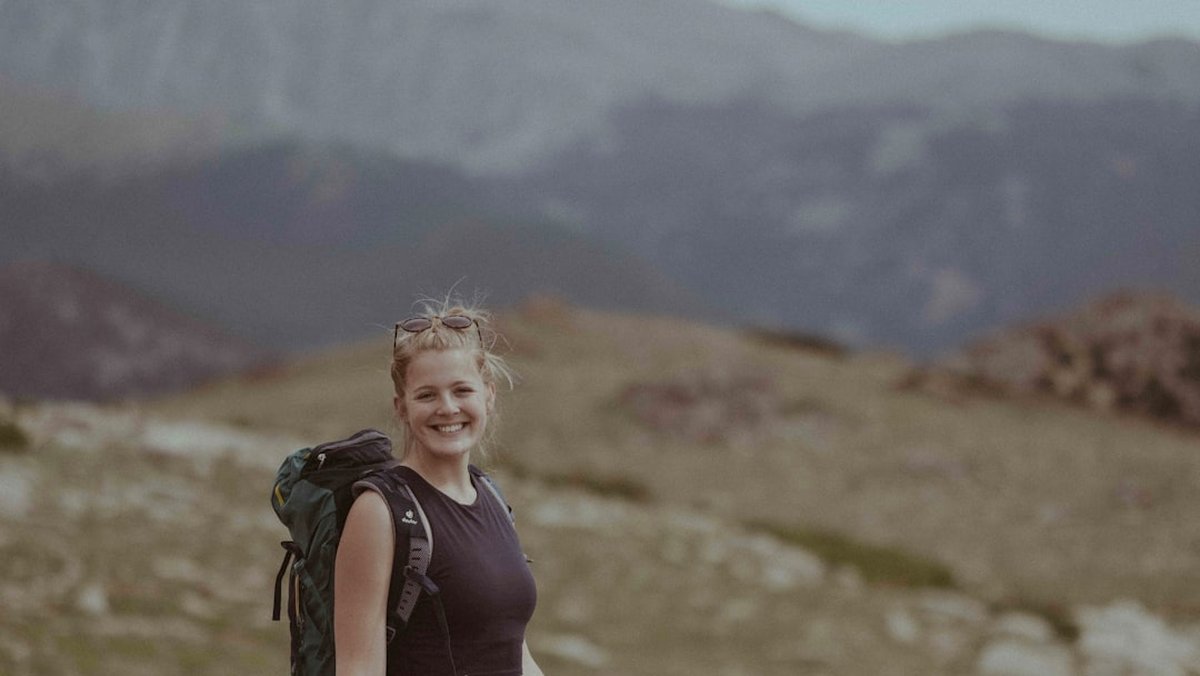
There's something transformative about stepping off a plane in a foreign country with nothing but your backpack and your own instincts to guide you. Solo female travel has surged in popularity over the past decade, with women of all ages discovering the empowerment, freedom, and personal growth that comes from navigating the world independently. Yet alongside the excitement, many women face a persistent question: How do I stay safe while traveling alone?
The truth is, solo female travel safety isn't about living in fear or limiting your adventures—it's about traveling smarter. It's the difference between naively wandering into risky situations and confidently exploring with awareness and preparation. The women who travel solo most successfully aren't necessarily the most fearless; they're the most prepared.
This comprehensive guide will equip you with practical safety strategies specifically designed for women backpackers. From leveraging personal safety technology to choosing secure accommodations, from mastering communication strategies to building mental resilience, you'll learn the essential hacks that experienced solo female travelers rely on. Whether you're planning your first solo adventure or your fiftieth, these strategies will help you explore the world with confidence and peace of mind.
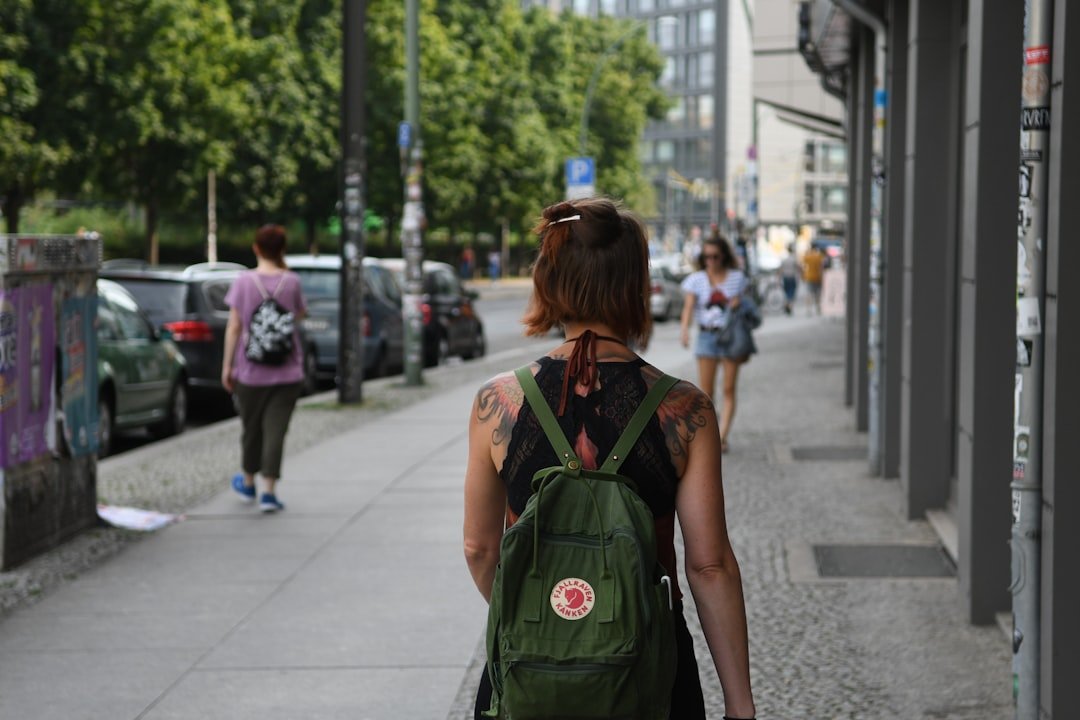
Photo by Michał Parzuchowski on Unsplash
What is Solo Female Travel Safety?
Solo female travel safety encompasses the strategies, tools, awareness practices, and preparation techniques that women use to protect themselves while traveling independently. It goes beyond basic travel safety to address the unique challenges and vulnerabilities that women may face when exploring unfamiliar destinations alone.
At its core, solo female travel safety operates on three interconnected levels:
Physical Safety involves protecting yourself from theft, assault, and accidents. This includes everything from securing your belongings and choosing safe transportation to understanding local customs that might affect how you're perceived and treated.
Digital Safety covers protecting your personal information, maintaining secure communications, and using technology as a safety tool rather than a vulnerability. In our connected age, your digital footprint can be just as important as your physical location.
Emotional and Mental Safety addresses the psychological aspects of solo travel—managing anxiety, trusting your instincts, handling unwanted attention, and maintaining the mental resilience needed to navigate challenging situations.
According to a 2023 Solo Travel Statistics report by Solo Traveler, approximately 25% of all travelers now embark on solo journeys, with women representing the fastest-growing segment of solo travelers. This shift has prompted destinations, accommodations, and travel companies worldwide to become more attuned to women's safety needs—but the responsibility for personal safety ultimately rests with each traveler.
Why Solo Female Travel Safety Matters
Understanding and implementing solo female travel safety practices isn't about succumbing to fear—it's about creating the foundation for truly free and spontaneous exploration. When you've prepared properly and developed strong safety habits, you paradoxically experience more freedom, not less.
Confidence Enables Adventure
Women who feel confident in their safety strategies are more likely to say yes to opportunities. They'll accept that invitation to join a local family for dinner, explore that off-the-beaten-path neighborhood, or take the scenic route through the countryside. Safety preparation doesn't restrict your travel—it expands what you feel comfortable doing.
The Stakes Are Real
While the vast majority of solo female travel experiences are positive, the risks women face are statistically different from those faced by male travelers. According to data from the U.S. State Department, women travelers report higher rates of harassment, scams targeting perceived vulnerability, and accommodation-related safety concerns. Acknowledging these differences isn't pessimistic—it's practical.
Your Safety Affects Others
When something goes wrong during solo travel, the impact ripples outward. Family and friends worry. Emergency resources are deployed. In some cases, incidents affecting tourists can impact local communities and economies. By prioritizing your safety, you're also being a responsible traveler who contributes positively to the destinations you visit.
Mental Health and Enjoyment
Constant low-level anxiety about safety can drain the joy from travel. Women who travel without adequate preparation often spend mental energy worrying instead of being present in their experiences. Proper safety strategies free up that mental space for wonder, connection, and genuine adventure.
The Empowerment Cycle
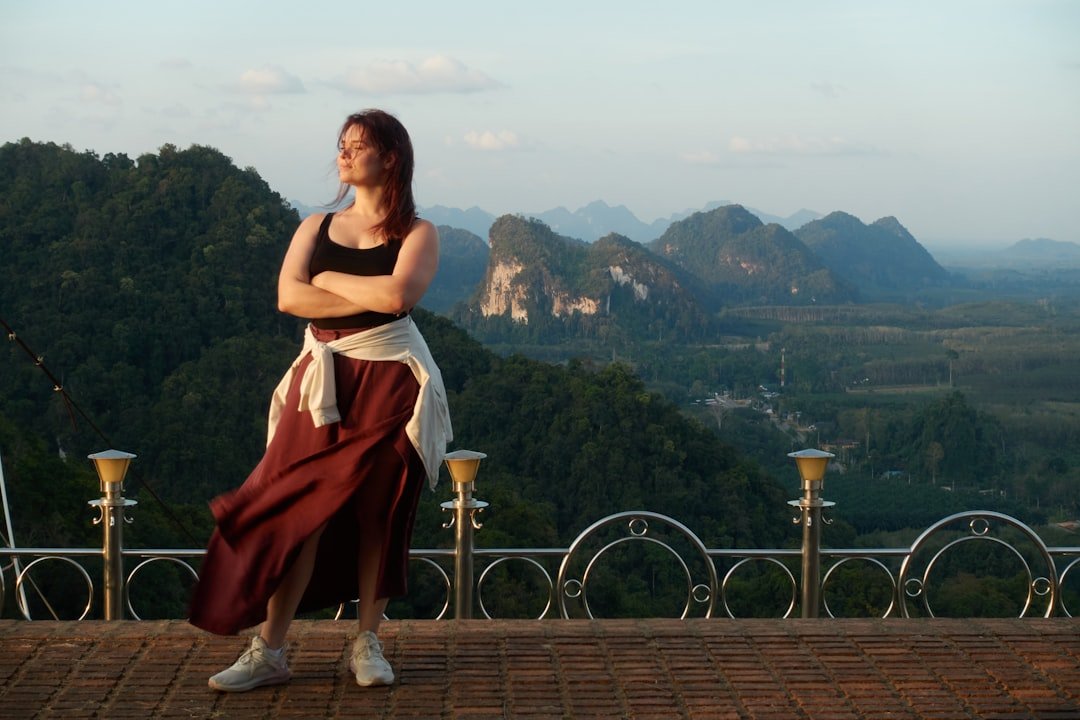
Solo travel and safety awareness create a positive feedback loop. Each successful trip builds confidence and refines your instincts. You learn to read situations more accurately, trust yourself more deeply, and handle challenges more calmly. Many women report that the skills they develop through solo travel—assertiveness, problem-solving, self-reliance—transfer directly into their professional and personal lives back home.
The women who travel most successfully aren't those who've never encountered problems; they're those who've developed the skills and strategies to handle whatever arises. That capability is what solo female travel safety is ultimately about.
How to Master Solo Female Travel Safety
Mastering solo female travel safety requires a systematic approach that addresses preparation, in-transit awareness, and destination-specific strategies. This section breaks down the essential components into actionable steps you can implement immediately.
Pre-Trip Research and Planning
Your safety strategy begins long before you board a plane. Thorough research is the foundation of confident solo travel.
Destination Assessment: Research your destination's current safety climate using multiple sources. The U.S. State Department travel advisories, local news sources, and recent traveler reviews all provide valuable perspectives. Pay attention to neighborhood-specific safety information, not just country-level assessments.
Cultural Context: Understanding local attitudes toward women, appropriate dress codes, and behavioral norms helps you navigate social situations more safely. Research whether there are areas, times of day, or situations where solo women might attract unwanted attention.
Emergency Preparation: Register with your country's embassy or consular services. For U.S. citizens, the Smart Traveler Enrollment Program (STEP) provides alerts and assistance in emergencies. Note the locations of hospitals, police stations, and your country's embassy or consulate.
-
Read recent blog posts and forums from women who've traveled there in the past 6-12 months
-
STEP for Americans, similar programs exist for UK, Canadian, and Australian citizens
-
Police, embassy, accommodation, and emergency contact numbers accessible without internet
-
Include accommodation addresses, transportation bookings, and planned activities
-
Having local data is crucial for navigation and emergency communication
-
"Help," "police," "I'm not interested," and "leave me alone" are essential
-
Google Maps, Maps.me, or similar apps with your destinations saved offline
-
Ensure coverage includes emergency evacuation and medical care
Personal Safety Technology
Modern technology offers powerful safety tools for solo travelers. Building a personal safety tech kit should be part of every woman's travel preparation.
Location Sharing Apps: Apps like Life360, WhatsApp's live location feature, or Apple's Find My allow trusted contacts to track your location in real-time. Set this up before departure and establish check-in protocols with family or friends.
Personal Safety Apps: Dedicated safety apps like bSafe, Noonlight, or Safetipin offer features such as fake call generation, automatic alerts if you don't check in, and safe route mapping. Research which apps work best in your destination country.
Smart Devices: Consider a GPS-enabled personal safety device like the Garmin inReach or Somewear Labs device for remote areas without cell coverage. These can send emergency signals via satellite.
Digital Security: Use a VPN to protect your data on public WiFi networks. Password-protect all devices and enable remote wipe capabilities. Consider which photos and documents you keep on your phone versus secured in cloud storage.
| Feature | Smartphone Apps | Dedicated GPS Devices |
|---|---|---|
| Cell Coverage Required | Yes | No (satellite-based) |
| Battery Life | Limited (8-12 hours) | Extended (days to weeks) |
| Cost | Free to $10/month | $300-500 + subscription |
| Best For | Urban travel, developed areas | Remote hiking, wilderness |
| Emergency Services | Varies by app/region | Global SOS capability |
| Size/Weight | Already carrying | Additional 3-5 oz device |
Transportation Safety Strategies
How you get from place to place is one of the most vulnerable aspects of solo travel. Implementing consistent transportation safety practices significantly reduces your risk.
Rideshare Best Practices: When using Uber, Lyft, or local equivalents, always verify the driver's photo, name, and license plate before entering the vehicle. Share your trip details with a contact, sit in the back seat, and keep your phone accessible. If anything feels wrong, don't hesitate to cancel and exit.
Public Transportation Awareness: Research your destination's public transit reputation for safety. In some cities, certain bus or metro lines are known to have higher theft rates. When possible, travel during busier times, stay near other women or families, and keep your belongings secure and visible.
Airport and Station Arrivals: Arrange transportation from airports or train stations in advance, especially for late-night arrivals. If using taxi queues, choose official stands and avoid anyone who approaches you offering rides. Have your accommodation address written down in the local language.
Choosing Safe Accommodations
Your accommodation choice is one of the most critical safety decisions you'll make as a solo female traveler. The right lodging provides not just a safe sleeping space but also a secure base from which to explore, local knowledge, and potentially a community of fellow travelers.
What to Look for in Safe Accommodations
Location Analysis: Before booking, research the neighborhood using Google Street View. Look for well-lit streets, proximity to public transportation, and the general character of the area. Check if the accommodation is near tourist infrastructure (restaurants, shops) that indicates foot traffic and activity.
Security Features: Prioritize properties with 24-hour reception or security, individual room locks (ideally with deadbolts or security chains), and secure entry points. For hostels, look for female-only dorm options, locker facilities, and privacy curtains on beds.
Reviews from Solo Women: Filter accommodation reviews specifically for mentions of solo female travelers. Women often share relevant safety observations that don't appear in general reviews. Pay attention to comments about staff helpfulness, neighborhood safety after dark, and overall atmosphere.
Communication and Responsiveness: Before booking, send a message to the property asking a specific question. Their response time and helpfulness indicates how they'll handle concerns during your stay. Properties that are difficult to communicate with before arrival often remain so afterward.
-
Ensure you can safely enter at any hour without vulnerability
-
Deadbolts, chains, or door stoppers provide additional security
-
Some areas safe by day become risky at night
-
Search reviews for keywords like "solo," "woman," "alone," "safe"
-
Proximity to safe transit options for returning at night
-
Never arrive in a new destination without confirmed accommodation
-
Ground floor rooms are more accessible to intruders
-
Know your evacuation route upon arrival
Accommodation Types Compared
Different accommodation types offer varying safety profiles for solo female travelers. Understanding the trade-offs helps you choose appropriately for each destination and situation.
| Factor | Hostels | Hotels | Airbnb/Rentals |
|---|---|---|---|
| Social Safety Net | High - built-in community | Low - more isolated | Variable - depends on setup |
| Physical Security | Variable - check reviews | Generally high | Variable - verify locks |
| Staff Assistance | Often excellent local knowledge | Professional but less personal | Limited to host availability |
| Cost | Budget-friendly | Higher but predictable | Mid-range, good for longer stays |
| Privacy | Limited in dorms | Complete | Complete |
| Best For | Social travelers, budget trips | Business, solo time needed | Longer stays, local experience |
Hostel-Specific Safety Tips
Hostels can be excellent choices for solo female travelers, offering built-in social networks and staff who understand budget traveler needs. However, they require specific safety considerations:
Female-Only Dorms: Many hostels now offer women-only dormitory rooms. These provide privacy from male travelers and often feature additional security measures. Book these when available, especially in destinations where you're less certain about the traveler demographic.
Locker Protocol: Always use provided lockers for valuables, and bring your own padlock. Some travelers use small cable locks to secure backpacks to bed frames overnight. Never leave passports, electronics, or cash in accessible areas.
Common Area Awareness: Hostel common areas are great for meeting fellow travelers but require social awareness. Be selective about sharing specific accommodation details or solo travel plans with strangers you've just met. Trust is earned over time.
Staff as Resources: Hostel staff are often experienced travelers themselves and excellent sources of safety information. Ask about areas to avoid, safe transportation options, and any current local concerns. They've seen what goes wrong and can help you prevent issues.
- Built-in community reduces isolation vulnerability
- Staff provide valuable local safety knowledge
- Other travelers can join for activities
- Female-only dorms offer gender-specific security
- Social atmosphere makes it easy to find travel companions
- Budget-friendly extends travel duration
- Shared spaces mean less control over environment
- Theft risk from other guests exists
- Party atmospheres in some hostels reduce safety
- Less privacy for secure phone calls or planning
- Variable quality of locks and security features
- Bed bugs and cleanliness can be concerns
Communication Strategies for Safety
Effective communication forms a critical safety layer for solo female travelers. This includes both how you communicate with people back home and how you navigate interactions with strangers while traveling.
Check-In Systems with Home Contacts
Establishing a reliable check-in system before departure creates a safety net that can trigger help if something goes wrong.
Scheduled Check-Ins: Agree on specific times and methods for regular contact. This might be a daily WhatsApp message, a shared Google Calendar showing your location, or an automated check-in through a safety app. The key is consistency—your contacts should know when to expect communication and when to worry.
Escalation Protocols: Define what happens if you miss a check-in. Perhaps one missed check-in prompts a text, two missed check-ins warrant a phone call, and three trigger contact with your accommodation or local authorities. Having this system predetermined prevents both unnecessary panic and dangerous delays.
Information Sharing: Provide your emergency contacts with copies of your passport, travel insurance details, flight itineraries, and accommodation bookings. A shared document (Google Doc or Dropbox folder) updated as you travel ensures someone always knows where you should be.
Emergency Code Words: Establish a code word or phrase with close contacts that signals you're in trouble but can't speak freely. This might appear in a casual message ("Tell Mom I saw her favorite flowers today") but communicates urgency to someone who knows to look for it.
Navigating Interactions with Strangers
Solo female travelers often face more social approaches than male counterparts—some welcome, others unwanted. Developing strategies for managing these interactions helps you stay safe while remaining open to positive connections.
The Art of the Fake Story: Many experienced solo female travelers maintain a ready fiction for situations where revealing their solo status feels risky. A fictional husband "meeting you later," friends "waiting at the hotel," or a boyfriend "parking the car" can deflect unwanted persistence. Some women wear a fake wedding ring for similar effect.
Deflection Techniques: When someone's attention becomes uncomfortable, having prepared responses helps. A firm "I'm not interested" repeated without elaboration, a fake phone call, or physically moving toward a crowded area or authority figure all communicate boundaries. You don't owe anyone an explanation or conversation.
Reading Local Norms: In some cultures, sustained eye contact invites conversation; in others, it's considered rude. Smiling at strangers may be friendly in some places and perceived as flirtation in others. Observe how local women behave and calibrate your interactions accordingly.
Trust Your Instincts: If an interaction feels wrong, it probably is. The gift of Fear by Gavin de Becker emphasizes that our intuition often detects danger before our conscious mind processes it. Never prioritize politeness over your gut feeling.
True fear is a gift. It's a survival signal that sounds only in the presence of danger. Yet most people treat it as something to be overcome.
Language Barriers and Safety
Navigating safety concerns across language barriers requires preparation and creativity.
Essential Phrases: Before visiting any destination, learn to say "Help," "Police," "Hospital," "I need help," "Leave me alone," and "No" in the local language. Practice pronunciation so you can be understood in a stressful moment.
Translation Apps: Download offline translation capabilities through Google Translate or a similar app. Being able to communicate in an emergency—or to read warning signs—can be crucial. The camera translation feature (pointing your phone at text for instant translation) is particularly useful for signs and menus.
Non-Verbal Communication: A firm head shake, stepping backward, raised palm, or turning and walking away communicate refusal across cultures. Practice projecting confidence through body language—shoulders back, purposeful movement, direct gaze—as this alone can deter opportunistic harassment.
Common Mistakes to Avoid
Even experienced solo female travelers can fall into safety traps. Understanding the most common mistakes helps you sidestep them entirely.
Over-Sharing on Social Media
The urge to share your adventures in real-time is understandable, but broadcasting your exact location while still there creates risks. Thieves can see you're away from your accommodation; predatory individuals can track your movements; and documenting predictable patterns makes you easier to target.
Better Approach: Share photos and updates after you've left a location, not while you're there. Avoid posting accommodation details, daily routines, or specific future plans publicly. If you must share in real-time, use close friends features or private groups rather than public posts.
Letting Guilt Override Instincts
Many women are socialized to be polite, accommodating, and non-confrontational—traits that can become dangerous when traveling solo. The fear of being rude, racist, or judgmental can override valid safety concerns.
Better Approach: Your safety is more important than anyone's feelings. You don't owe conversation, directions, or personal information to strangers. "No" is a complete sentence. If someone makes you uncomfortable, you can leave without explanation. Cultural sensitivity matters, but not at the expense of your security.
Excessive Alcohol Consumption
Alcohol impairs judgment, slows reaction time, and makes you more vulnerable. In unfamiliar environments without the safety net of friends, even moderate drinking increases risk significantly.
Better Approach: If you choose to drink, know your limits and stay well within them. Never leave drinks unattended. Consider sticking to venues attached to your accommodation so you don't need to navigate transportation afterward. Have a drinking buddy when possible—someone from your hostel or tour group who can look out for you.
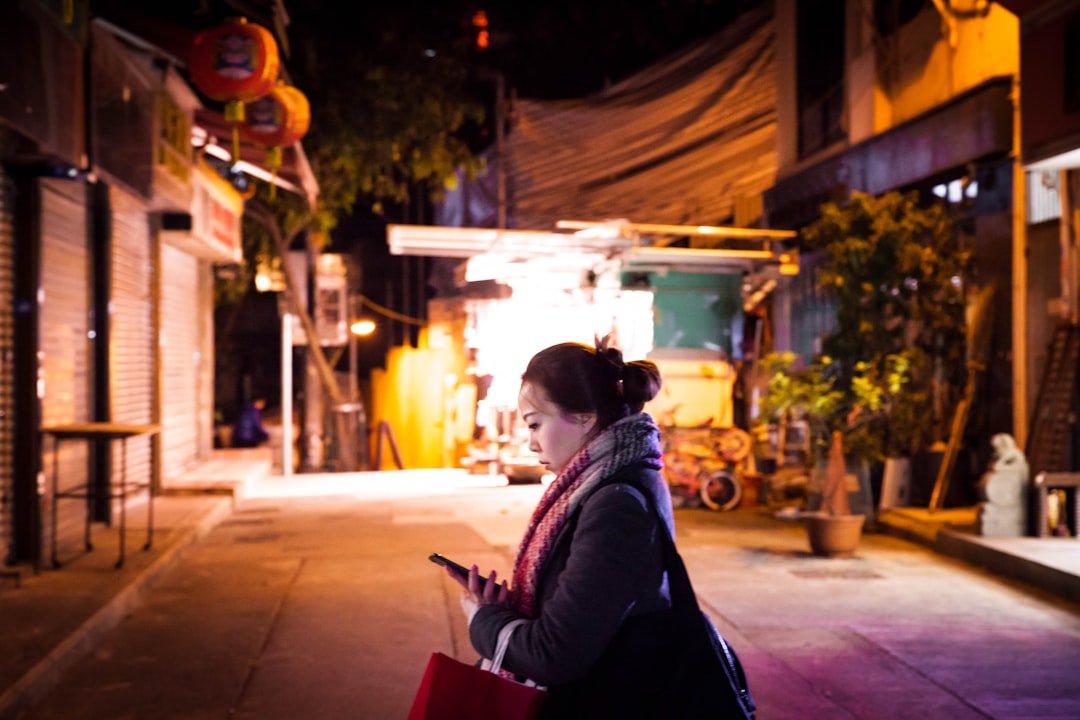
Photo by Carla Martinesi on Unsplash
Ignoring Official Warnings
It's tempting to dismiss travel advisories as overly cautious or to assume warnings don't apply to savvy travelers. This overconfidence can lead to preventable problems.
Better Approach: Take official warnings seriously while also seeking ground-truth from recent travelers. Sometimes advisories are outdated or overly broad; other times they reflect genuine, current dangers. Cross-reference government warnings with local news, travel forums, and recent visitor accounts.
Poor Financial Security
Carrying large amounts of cash, using credit cards carelessly, or not having backup payment methods creates both theft risk and potential stranding if you lose access to funds.
Better Approach: Carry multiple payment methods stored in different locations. Have at least two bank cards from different accounts, plus emergency cash hidden separately from your wallet. Notify banks of travel plans to prevent fraud locks. Consider a money belt for backup funds and important documents.
Arriving Somewhere New at Night
Landing in an unfamiliar city after dark—tired, disoriented, and carrying luggage—is one of the highest-risk situations for solo travelers.
Better Approach: Whenever possible, book flights and transportation that arrive during daylight hours. If night arrival is unavoidable, pre-arrange airport transfers and have your accommodation address readily accessible. Don't try to figure things out on the fly when you're exhausted and vulnerable.
Failing to Secure Valuables
Laptops left on hostel beds, phones on café tables, passports in easy-access pockets—these casual behaviors that might be fine at home can result in devastating theft while traveling.
Better Approach: Develop consistent habits for securing valuables. Always use accommodation lockers. Never leave devices unattended. Carry copies of important documents while storing originals securely. Consider which items you'd most need if robbed and ensure those have backup access.
Best Practices for Confident Solo Exploration
Beyond avoiding mistakes, actively cultivating safety-positive habits transforms how you experience solo travel. These best practices, used by experienced solo female travelers worldwide, create a foundation for confident exploration.
Develop Situational Awareness
Situational awareness means being conscious of your environment and able to identify potential threats before they materialize. This isn't paranoia—it's a skill that can be developed with practice.
The Color Code System: Originally developed for military personnel, this system helps calibrate appropriate alertness: - White (unaware): Reserved for truly safe spaces like your locked hotel room - Yellow (relaxed alert): Your default public state—aware of surroundings without specific concern - Orange (focused alert): Something has caught your attention as potentially threatening - Red (action): A threat is identified and you're taking steps to address it
Most solo travelers should operate in Yellow while in public spaces, briefly moving to Orange when situations warrant closer attention, and quickly returning to Yellow when concerns resolve.
Environmental Scanning: Regularly take stock of your surroundings. Where are the exits? Who's near you? What's the quickest route to a crowded area or authority figure? This doesn't require constant vigilance—brief mental check-ins every few minutes maintain awareness without anxiety.
Phone Awareness: While smartphones are valuable safety tools, staring at your screen makes you oblivious to your environment. Develop habits of looking up, putting away your phone in transitional spaces (doorways, crosswalks, elevators), and using audio navigation through earbuds so your eyes stay on your surroundings.
Project Confidence
How you carry yourself significantly impacts how others perceive and treat you. Projecting confidence—even when you don't feel it—can deter potential problems.
Body Language Basics: Walk with purpose and direction, even when you're not sure where you're going. Keep your head up and shoulders back. Make brief eye contact with people around you (showing you're aware of them) rather than staring at the ground. Appear to know exactly where you're headed.
Dress Intentionally: Research local dress norms and calibrate accordingly. This isn't about restriction—it's about not standing out as an obvious tourist or violating cultural expectations that might attract negative attention. Observe what local women wear and find a comfortable balance.
Own Your Space: Don't shrink to accommodate others who move into your space uninvited. If someone sits too close on public transit or stands uncomfortably near, you can move—but you can also hold your ground. Predatory individuals often test boundaries with small violations to see how you'll respond.
Create Safety Networks While Traveling
Solo travel doesn't mean isolation. Building temporary networks as you travel provides companionship and safety.
Hostel Connections: Common areas naturally facilitate meeting other travelers. Be open to joining group activities—walking tours, hostel dinners, day trips—where you can connect with potential travel companions for higher-risk activities.
Female-Focused Communities: Facebook groups like "Girls LOVE Travel" and "Solo Female Travelers Network" have local subgroups where you can connect with women in your destination. Apps like Hey! VINA and Bumble BFF facilitate meeting local women or fellow travelers.
Tour and Activity Groups: Even dedicated solo travelers sometimes join organized activities for practical safety reasons. Multi-day treks, adventure sports, and visits to remote areas are often safer with groups. You sacrifice some independence for security—a trade-off worth evaluating based on the specific situation.
-
Make Yellow your default public state
-
Regularly note exits, crowds, and authority figures
-
Purpose, direction, head up, brief eye contact
-
Blend in rather than standing out as a tourist
-
Build temporary safety networks for higher-risk excursions
-
Online groups can provide destination-specific advice and meetups
-
Even basic techniques build physical and mental confidence
-
Photos of electronics and their serial numbers aid recovery and insurance claims
Build Physical Confidence
While avoiding dangerous situations is always preferable to confronting them, knowing you can physically respond if necessary provides profound psychological security.
Self-Defense Training: Taking a self-defense course before solo travel builds both practical skills and mental confidence. Even basic techniques—breaking grips, creating distance, striking vulnerable areas—can make a critical difference. Many women's self-defense courses specifically address situations female travelers encounter.
Carry Legal Deterrents: Research what's legal to carry in your destinations. In some places, personal alarms, safety whistles, or small flashlights are practical deterrents. Others permit pepper spray or similar defensive tools. Know the laws before packing these items.
Physical Fitness: General fitness supports safety beyond self-defense capability. Being able to walk quickly, run if necessary, or carry your pack for extended periods provides practical advantages. Stamina and strength aren't about fighting—they're about having options.
Mental Preparedness and Resilience
The psychological dimension of solo female travel safety deserves as much attention as physical strategies. Your mental state affects both how you experience travel and how you respond to challenges.
Managing Fear and Anxiety
Some fear before and during solo travel is normal and healthy—it keeps you alert and cautious. But excessive anxiety can become paralyzing or push you toward counterproductive behaviors.
Distinguish Between Anxiety and Intuition: Generalized anxiety is a constant, low-level unease that doesn't connect to specific threats. Intuition is a sudden, situation-specific alarm that something's wrong. Learn to recognize the difference. Anxiety often benefits from grounding exercises and rational assessment; intuition should be trusted and acted upon.
Grounding Techniques: When anxiety spikes, techniques like the 5-4-3-2-1 method (identify 5 things you see, 4 you hear, 3 you can touch, 2 you smell, 1 you taste) can interrupt spiraling thoughts and return you to present-moment awareness.
Preparation as Anxiety Management: Much travel anxiety stems from uncertainty. Detailed preparation—knowing your accommodation layout, having emergency contacts saved, understanding local transportation—reduces unknowns and thereby reduces anxiety.
Handling Harassment and Unwanted Attention
Even with excellent preparation, solo female travelers frequently experience some form of harassment. Having mental frameworks for these situations helps you respond effectively.
It's Not Your Fault: Harassment reflects the harasser's behavior, not yours. What you wore, where you walked, or whether you smiled doesn't cause harassment—harassers do. Releasing any sense of responsibility allows you to respond more clearly.
You Have Choices: In harassment situations, your options include ignoring and walking away, firmly telling the person to stop, loudly drawing public attention, seeking help from nearby authorities or establishments, or documenting the incident. No response is universally correct—choose based on the specific situation and your assessment of what will be most effective and safe.
Emotional Processing: After harassment incidents, give yourself space to process the emotions that arise. Anger, fear, sadness, and frustration are all normal. Write about it, talk to fellow travelers or contacts back home, and resist the urge to minimize your feelings. Processing these experiences prevents them from accumulating into trip-ruining emotional weight.
The goal isn't to become fearless—it's to become brave. Bravery isn't the absence of fear; it's feeling afraid and moving forward anyway, equipped with the knowledge and skills to handle what arises.
Building Resilience for Long-Term Travel
Extended solo travel tests mental and emotional reserves. Building resilience practices into your travel routine sustains well-being over weeks or months.
Maintain Routines: Even while embracing spontaneity, certain routines anchor your mental health. Morning coffee rituals, evening journaling, regular exercise, or weekly video calls with loved ones provide stability amid constant change.
Know Your Limits: Resilient travelers recognize their own warning signs and respond proactively. If you notice yourself becoming irritable, isolated, or making poor decisions, it might be time for a rest day, a nicer accommodation, or a break from constant movement.
Celebrate Your Wins: Solo travel is an accomplishment. Acknowledge the navigation challenges you've solved, the cultural barriers you've bridged, and the fears you've overcome. This recognition builds the confidence reservoir you'll draw from in difficult moments.
Accept Imperfection: Not every day will be Instagram-worthy. Some destinations won't meet expectations. Occasional bad experiences don't define your trip. The ability to accept imperfection without spiraling into negativity is perhaps the most important resilience skill.
Frequently Asked Questions
Conclusion
Solo female travel safety isn't about building walls around your adventures—it's about building the skills, awareness, and preparation that allow you to explore freely. The women who travel the world alone most successfully aren't lucky or fearless; they're informed and intentional.
The strategies in this guide form a comprehensive toolkit: researching destinations thoroughly, leveraging technology for safety, choosing accommodations wisely, communicating effectively, avoiding common pitfalls, practicing best habits, and cultivating mental resilience. No single strategy is foolproof, but layered together, they create robust protection.
Remember that preparation and confidence exist in a positive feedback loop. Each trip where you successfully navigate challenges builds capability for the next. The first solo journey feels daunting; the twentieth feels like coming home to yourself.
Solo travel remains one of the most empowering experiences available to women today. It teaches self-reliance, builds confidence, broadens perspectives, and creates memories that belong entirely to you. The risks are real but manageable; the rewards are transformative.
Your next adventure is waiting. Prepare thoroughly, trust your instincts, and go.
Plan Your Solo Adventure with Confidence
Ready to start planning your solo trip? Explore our curated destination guides specifically reviewed for solo female travelers, complete with neighborhood safety ratings, recommended accommodations, and insider tips from women who've been there.
Browse Solo-Friendly Destinations
Comments
No comments yet. Be the first to comment!
Leave a Comment