Introduction
There's a particular kind of freedom that comes with traveling alone on a shoestring budget. You answer to no one, pivot your plans on a whim, and discover that some of the most memorable experiences cost nothing at all. But here's what seasoned solo travelers know: budget travel isn't about deprivation—it's about strategic choices that let you travel longer, deeper, and more authentically than those burning through cash at tourist traps.
I've spent years crisscrossing continents as a solo traveler, often spending less in a month abroad than I would in two weeks at home. The secret isn't luck or extreme frugality—it's a collection of tested strategies that work whether you're backpacking through Southeast Asia, road-tripping across Europe, or exploring South America's hidden gems.
In this comprehensive guide, you'll learn the insider hacks that transform budget solo travel from a compromise into an advantage. From unconventional accommodation strategies to destination-specific money-saving techniques, we'll cover everything you need to stretch your travel fund across more adventures than you thought possible. Whether you're planning your first solo trip or looking to optimize your travel spending, these strategies will fundamentally change how you approach exploring the world.
Photo by Leo_Visions on Unsplash
What is Budget Solo Travel?
Budget solo travel is the art of exploring the world independently while maintaining strict financial discipline. It goes far beyond simply choosing cheap options—it's a mindset that prioritizes experiences over comfort, local immersion over tourist convenience, and long-term travel sustainability over short-term splurges.
At its core, budget solo travel operates on a simple principle: when you control every spending decision without compromise, you can optimize ruthlessly. Unlike traveling with companions where preferences must be negotiated, solo travelers can choose the $8 street food dinner over the $40 restaurant without discussion, take the overnight bus to save on accommodation, or spend three nights in a destination that resonates instead of rushing to the next checkpoint on someone else's itinerary.
The definition of "budget" varies dramatically by destination and traveler. In Southeast Asia, budget travel might mean spending $30-50 per day including accommodation, food, transport, and activities. In Western Europe, the same level of comfort might require $70-100 daily. According to Numbeo's Cost of Living Index, expenses in countries like Vietnam or Bolivia can be 60-70% lower than in the United States, making your travel budget stretch dramatically further.
Budget solo travel also encompasses a philosophy of resourcefulness. It means learning to cook in hostel kitchens, mastering public transportation systems, timing your travels to shoulder seasons, and developing the flexibility to change plans when better opportunities arise. It's understanding that a $15 cooking class with a local family creates richer memories than a $150 fine dining experience ever could.
Importantly, budget travel doesn't mean unsafe travel or uncomfortable travel. It means informed travel—knowing where to invest your money for maximum impact and where cutting costs enhances rather than diminishes your experience. The backpacker sleeping in airports isn't necessarily having a better trip than the one who found a charming guesthouse for the same price as a hostel bed. Smart budget travel is about value optimization, not just cost minimization.
Why Budget Solo Travel Matters
The benefits of mastering budget solo travel extend far beyond the obvious financial advantages. While keeping more money in your pocket is certainly appealing, the deeper rewards transform how you experience the world and yourself.
Financial Freedom and Extended Adventures
The most immediate benefit is mathematical: spending less means traveling longer. A budget that might fund two weeks of conventional tourism could sustain two months of strategic solo travel. This extended timeline fundamentally changes what's possible. You can wait out bad weather, spend extra days in places that capture your heart, and stumble upon opportunities that only reveal themselves to those who linger.
More importantly, budget travel skills create ongoing freedom. Once you know you can travel comfortably on $40 a day, the savings required for a three-month trip become achievable on almost any income. Travel transforms from a once-in-a-lifetime splurge into a sustainable lifestyle choice.
Authentic Local Experiences
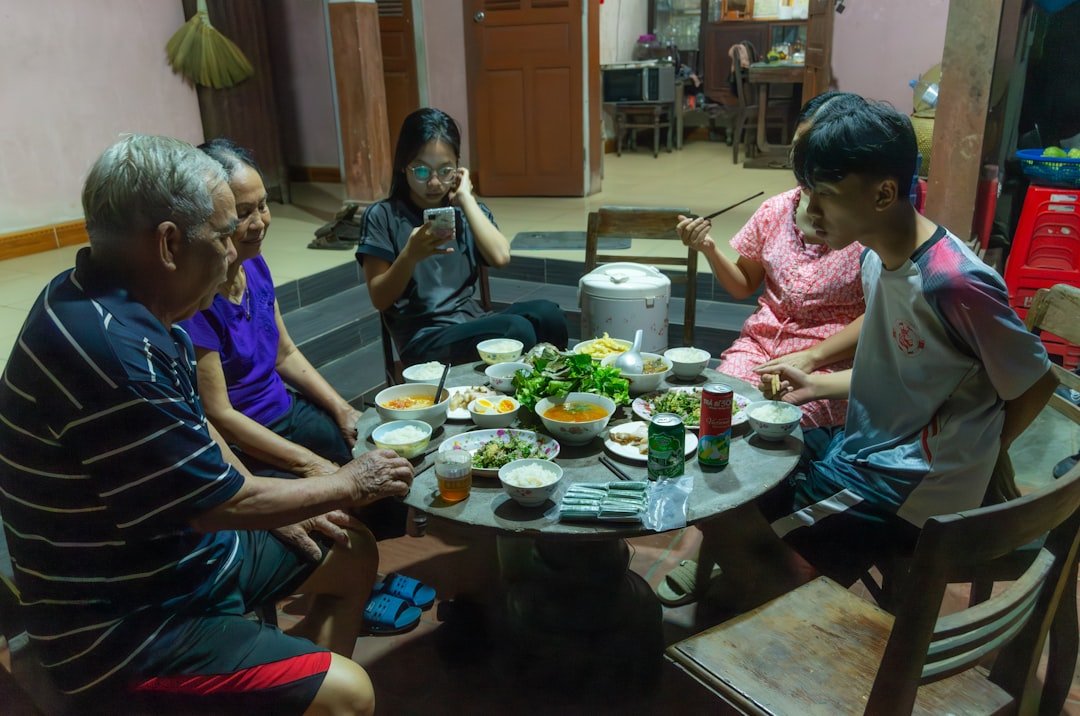
Budget constraints push you toward authentic experiences by necessity. When you can't afford tourist restaurants, you eat where locals eat. When organized tours exceed your budget, you explore independently and discover places no guide would show you. When luxury hotels are off the table, you stay in family-run guesthouses where the owner shares tea and stories.
This immersion creates genuine cultural exchange rather than transactional tourism. You learn to navigate local markets, communicate across language barriers, and understand daily life in ways that curated tourist experiences deliberately avoid. Research from the World Tourism Organization consistently shows that travelers seeking authentic local experiences report higher satisfaction than those following conventional tourist routes.
Personal Growth and Confidence
Solo budget travel is a masterclass in problem-solving, adaptability, and self-reliance. When you're alone and working within tight constraints, every challenge becomes an opportunity to develop capabilities you didn't know you had. You negotiate in foreign languages, navigate unfamiliar transportation systems, and make judgment calls with incomplete information.
These skills transfer directly to professional and personal life. The confidence gained from successfully traveling solo through challenging destinations translates into assertiveness in negotiations, comfort with ambiguity, and resilience when plans fail. Many solo travelers report that their budget adventures were pivotal moments in developing independence and self-trust.
Environmental and Ethical Benefits
Budget travel often aligns with sustainable tourism principles. Choosing local transportation over flights, eating at family restaurants over chains, and staying in locally-owned accommodations keeps money in communities rather than multinational corporations. Walking and cycling to save money reduces your carbon footprint. Traveling slower means fewer transportation emissions overall.
This alignment between budget and ethics makes conscious travel accessible to everyone, not just those who can afford premium "eco-tourism" packages.
- Travel 2-3 times longer on the same budget
- Deeper cultural immersion and authentic experiences
- Develop independence, confidence, and problem-solving skills
- More environmentally sustainable travel patterns
- Freedom to change plans without financial penalty
- Build lifelong skills that make future travel easier
- Requires more planning and research upfront
- Less predictable comfort and amenities
- Can be physically demanding (walking, long transit)
- Some experiences and destinations remain expensive
- May miss certain convenience-based activities
- Requires flexibility and adaptability
How to Master Budget Solo Travel
Mastering budget solo travel requires strategic thinking across multiple categories. Each area of spending presents opportunities for significant savings without sacrificing experience quality. Let's break down the essential strategies that experienced budget travelers deploy worldwide.
Step 1: Choose Destinations Strategically
Your destination choice determines your baseline costs more than any other factor. The same budget that barely covers a week in Switzerland could fund a month in Portugal or two months in Vietnam. Before committing to a destination, research the realistic daily costs using resources like Budget Your Trip, which aggregates actual traveler spending data.
Consider these destination selection factors:
- Currency advantage: Countries where your home currency goes further
- Infrastructure for budget travelers: Established hostel networks, public transportation, street food culture
- Visa costs and requirements: Some countries charge substantial visa fees that impact short trips
- Internal travel costs: Large countries with expensive domestic flights versus compact nations with cheap buses
- Seasonal pricing variations: Shoulder seasons often offer 30-50% savings on accommodation
| Cost Category | High-Cost Destination (Switzerland) | Mid-Range (Portugal) | Budget-Friendly (Vietnam) |
|---|---|---|---|
| Hostel Dorm | $45-60/night | $18-25/night | $6-10/night |
| Budget Meal | $20-30 | $8-12 | $2-4 |
| Public Transit Day | $15-25 | $5-8 | $1-3 |
| Museum Entry | $15-25 | $8-12 | $2-5 |
| Realistic Daily Budget | $120-150 | $50-70 | $25-40 |
Step 2: Master Accommodation Hacks
Accommodation typically consumes the largest portion of any travel budget, making it the area with the greatest savings potential. Solo travelers have unique advantages here—flexibility in space requirements and openness to social accommodation options.
Hostel Strategies: Beyond simply booking hostels, optimize your hostel spending by booking directly (avoiding booking platform fees), asking for weekly discounts, and choosing hostels with free breakfast and kitchen facilities. Many hostels offer work exchanges through platforms like Worldpackers or Workaway, where 15-25 hours of weekly work earns free accommodation.
Alternative Accommodation: House-sitting through platforms like TrustedHousesitters provides free accommodation in exchange for pet and home care. Couchsurfing connects travelers with hosts offering free stays. University dormitories often rent rooms cheaply during summer breaks. Religious institutions worldwide offer pilgrim accommodations at minimal cost.
Timing Tactics: Booking accommodation 2-3 weeks ahead typically offers better rates than last-minute or far-advance bookings. Arriving in person at guesthouses allows for negotiation, especially for multi-night stays. Traveling during weekdays rather than weekends can save 20-40% in popular destinations.
-
Use Numbeo, Budget Your Trip, and travel blogs for realistic daily budgets
-
Use Google Flights, Skyscanner, and Scott's Cheap Flights for deals
-
Apply to Worldpackers or Workaway hosts 4-6 weeks before arrival
-
Google Maps offline, Maps.me, and Google Translate reduce data costs
-
Most European cities offer tip-based walking tours and weekly free museum entry
-
Charles Schwab, Wise, or Revolut offer free international ATM withdrawals
-
One carry-on bag enables budget airline travel and easier hostel hopping
-
Simple greetings and market negotiation phrases save money and build rapport
Step 3: Optimize Transportation Costs
Getting between and within destinations offers numerous opportunities for strategic savings.
Flight Hacks: Use flight comparison tools and set alerts for price drops. Be flexible with dates—shifting travel by a day or two can save hundreds. Consider budget airlines but calculate total costs including bags and seat selection. Flying into secondary airports (like Milan Bergamo instead of Milan Malpensa) often saves substantially.
Ground Transportation: Overnight buses and trains double as accommodation, saving a night's lodging cost. Long-distance bus companies like FlixBus in Europe or RedCoach in the Americas offer deep discounts for advance booking. Ride-sharing platforms like BlaBlaCar connect drivers with passengers splitting fuel costs. In Asia, learn to use local transportation—a songthaew in Thailand costs pennies compared to tourist-focused transport.
City Navigation: Walking is free and reveals neighborhoods you'd miss otherwise. Many cities offer affordable bike rental or sharing programs. Purchase multi-day transit passes when available—they typically pay off if you take three or more rides daily.
Step 4: Eat Like a Local
Food costs vary enormously based on where and how you eat. The gap between tourist restaurant prices and local food can represent a 70-80% savings.
Street Food and Markets: In most developing countries, street food isn't just cheap—it's often fresher and more flavorful than restaurant food because of high turnover. Look for stalls with long local queues. Morning markets offer prepared breakfast items, fresh fruit, and bakery goods at fraction of restaurant prices.
Self-Catering: Hostels and apartments with kitchens enable enormous savings. Shopping at local supermarkets and cooking simple meals can reduce daily food spending by half or more. Even preparing just breakfast and occasional dinners while eating lunch out balances savings with culinary exploration.
Strategic Splurging: Budget eating doesn't mean missing local cuisine. Identify one or two signature dishes or food experiences worth investing in, and economize around them. A $30 special meal surrounded by $5 days averages to reasonable spending while including memorable food experiences.
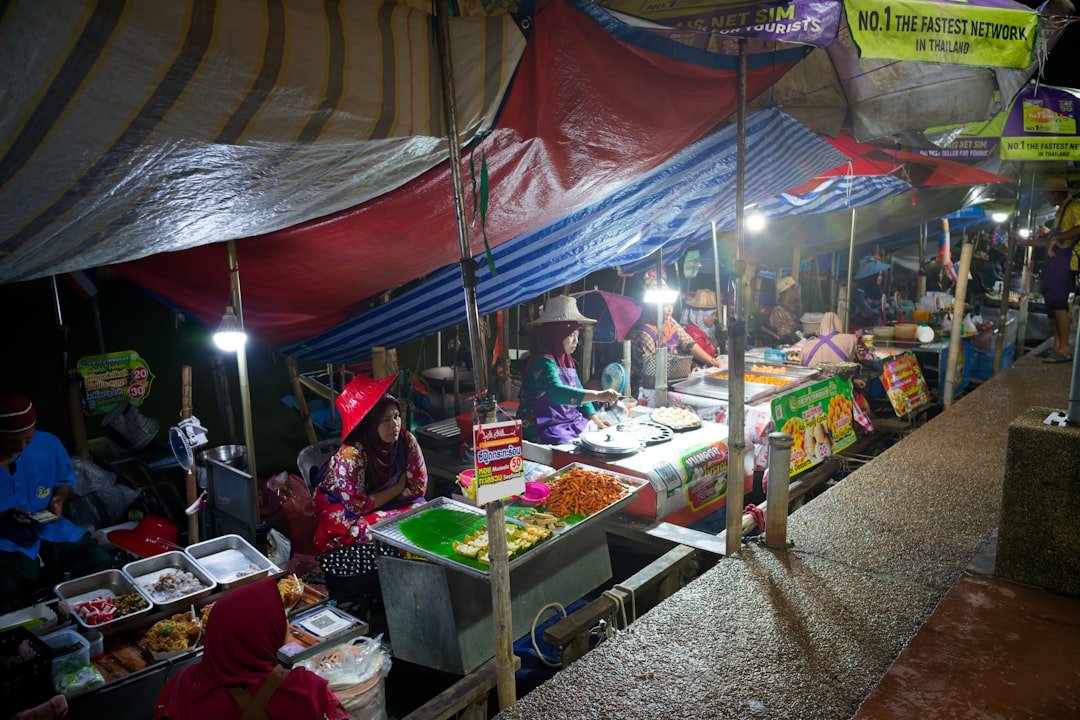
Photo by Kelvin Zyteng on Unsplash
Step 5: Find Free and Low-Cost Experiences
Many of the world's most memorable experiences cost little or nothing. Prioritizing these creates rich travel without rich spending.
Free Activities: - Hiking trails and natural areas (most national parks in many countries are free) - Beaches and public waterfronts - Neighborhood walking explorations - Free museum days (research which days offer free entry) - Free walking tours (tip-based, pay what you value) - Religious sites and temples (many welcome visitors freely) - Public festivals and events - Sunset and sunrise viewpoints
Low-Cost Cultural Experiences: - Cooking classes with local families (often $10-20 in affordable countries) - Local sports events instead of tourist activities - Community centers offering language exchanges - Local theater and music venues instead of tourist shows - University lectures and events open to the public
Step 6: Leverage Technology
Smart use of technology multiplies your budget's effectiveness.
Essential Apps: - Maps.me: Offline maps that work without data - Wise or Revolut: Multi-currency accounts with excellent exchange rates - Hostelworld and Booking.com: Compare accommodation with flexible filters - Rome2Rio: Shows all transportation options between destinations - Too Good To Go: Rescue unsold restaurant food at deep discounts - iOverlander: Find free camping spots and resources (especially useful for overland travel)
Data and Connectivity: Local SIM cards typically offer far better value than international roaming. In many countries, $5-10 gets unlimited data for a month. WiFi calling apps like WhatsApp eliminate international calling costs entirely.
Common Budget Travel Mistakes to Avoid
Even experienced travelers fall into traps that undermine their budget. Recognizing these common mistakes helps you sidestep financial pitfalls that catch many solo travelers off guard.
Mistake #1: Choosing Uncomfortable Options Over Smart Options
The cheapest option isn't always the best value. Sleeping in airports to save $20 might leave you exhausted and unproductive for two days—ultimately costing you time and experience quality. Experienced budget travelers distinguish between smart savings (taking a local bus instead of tourist shuttle) and false economy (skipping travel insurance to save $50).
The Fix: Calculate value holistically. Consider what you lose alongside what you save. An overnight train that costs $30 more than the daytime option but saves a night's accommodation is probably worth it. A hostel slightly farther from the center might cost less but create $15 in extra daily transport costs.
Mistake #2: Over-Planning and Under-Flexible Itineraries
Booking every accommodation and transport in advance might feel organized, but it eliminates the flexibility that creates budget travel's best opportunities. You can't extend your stay when you discover a hidden gem, can't take advantage of last-minute deals, and can't adjust when locals recommend somewhere better.
The Fix: Book only the first few days of accommodation, and leave significant buffer in your itinerary. Build in "slack" destinations—places you'll visit only if time and budget allow. Maintain a list of opportunities that require flexibility (work exchanges, couchsurfing connections, seasonal events).
Mistake #3: Ignoring Hidden Costs
Budget airlines, "free" tours, and cheap accommodation often come with asterisks. Ryanair's $30 flight becomes $100 after bags and seat selection. That free walking tour expects a substantial tip. The cheap hostel charges for linens, lockers, and towels separately.
The Fix: Always calculate total cost before booking. Read the fine print on budget airlines (bag sizes, check-in fees, payment card charges). Research tipping expectations for "free" services. Ask accommodations what's included before booking.
Mistake #4: Not Researching Local Scams
Every destination has scams targeting tourists, and solo travelers can be particularly vulnerable. From the "helpful" stranger who leads you to an overpriced shop to fake ticket sellers to rigged taxi meters, falling for scams can blow your budget in minutes.
The Fix: Before visiting any destination, search "[destination name] tourist scams" and familiarize yourself with common tactics. Use only official taxis or ride-sharing apps with upfront pricing. Be skeptical of unsolicited help or too-good-to-be-true offers. Trust your instincts—if something feels wrong, walk away.
Mistake #5: Currency Exchange Mistakes
Poor exchange practices silently drain travel budgets. Airport exchange counters, hotel currency services, and touristy exchange shops often charge 5-15% above fair rates. Dynamic currency conversion (where merchants offer to charge your card in your home currency) adds 3-5% fees.
The Fix: Use a no-foreign-fee debit card (like Charles Schwab or Wise) at local ATMs—this typically provides the best exchange rates. Always choose to be charged in local currency when given the option. Avoid exchanging money at airports or hotels. If you must use exchange services, compare rates online first to know what's fair.
Mistake #6: Failing to Track Spending
Without tracking, small expenses accumulate invisibly until you suddenly realize your budget is gone. That daily $3 coffee, those $2 impulse snacks, those $5 beers—individually insignificant, collectively devastating to a travel budget.
The Fix: Use a simple tracking app (Trail Wallet, Trabee Pocket) to log every expense. Review your spending weekly. Set category budgets (accommodation, food, transport, activities) and monitor them. Many travelers find that simply tracking spending naturally reduces unnecessary purchases.
Photo by Tien Vu Ngoc on Unsplash
Mistake #7: Neglecting Health and Safety Investments
Some expenses aren't optional. Skipping travel insurance, avoiding vaccinations, or choosing dangerous accommodations to save money creates potentially catastrophic risks.
The Fix: Budget for comprehensive travel insurance from the start—it's non-negotiable, not an optional expense. Research required and recommended vaccinations through the CDC's Travelers' Health site. Never compromise on accommodation safety (functional locks, safe neighborhoods, proper reviews) to save a few dollars. Medical evacuation alone can cost $50,000-100,000 without insurance.
Best Practices for Budget Solo Travel
Beyond avoiding mistakes, certain practices separate highly effective budget travelers from those constantly struggling with money. These principles, developed through countless solo journeys, create a foundation for sustainable, enjoyable budget travel.
Build a Travel Emergency Fund
Always carry more than you plan to spend—approximately 20-30% above your budgeted amount. This emergency buffer handles unexpected opportunities (a can't-miss experience that appears), emergencies (sudden flight home, medical costs beyond insurance coverage), and seasonal variations (prices higher than research suggested).
Keep this fund separate from daily spending, accessible but not easily tapped. A second bank card with emergency money, kept separately from your daily card, works well. This fund isn't for budget creep—it's genuine insurance against the unexpected.
Develop the "Sleep Budget, Experience Big" Philosophy
Allocate your budget unevenly and intentionally. Accommodation and basic transportation are often where you can cut most aggressively without losing experience quality. You're rarely in your room—a clean, safe, social hostel provides everything you need.
Meanwhile, identify 2-3 experiences per destination worth prioritizing: that diving certification, that cooking class, that once-in-a-lifetime activity. A spending pattern of consistent daily frugality punctuated by strategic investment creates the richest travel experiences.
Master the Art of Slow Travel
The math of slow travel is unbeatable: staying longer means traveling less, and travel days are almost always the most expensive days. Spending a week in a destination instead of three days eliminates extra travel costs, allows for accommodation discounts, and enables kitchen cooking.
Beyond finances, slow travel transforms experience quality. You find the neighborhood café where locals actually go. You discover the unmarked trail to the hidden viewpoint. You build relationships that transform from tourist interactions into genuine connections. The destination reveals itself to those who stay.
Build Location-Independent Income Streams
The ultimate budget travel hack: earning while traveling. Even modest remote income extends travel dramatically. Teaching English online, freelance writing, virtual assistance, programming—digital skills create location independence.
Start building these skills before your trip. Even $500-1000 monthly remote income transforms travel sustainability. Platforms like Upwork, Fiverr, and Remote.co connect freelancers with global clients. Many budget travelers eventually cover their entire travel costs through remote work.
Join the Budget Travel Community
Experienced budget travelers share knowledge freely. Online communities on Reddit's r/solotravel and r/shoestring, travel-focused Facebook groups, and hostel common rooms overflow with current tips. Fellow travelers know about the restaurant that just opened, the new bus route that's cheaper, the hostel that's gone downhill.
This community also provides accountability and motivation. When budget travel gets challenging (and sometimes it does), connecting with others on similar journeys provides perspective and encouragement.
Create and Maintain Flexibility
Flexibility is your greatest budget asset. Can you shift your trip by two weeks for cheaper flights? Can you swap your intended destination for a cheaper alternative? Can you extend your stay if offered free accommodation?
Protect your flexibility by avoiding non-refundable bookings when possible, building buffer time into itineraries, and maintaining a list of backup destinations that excite you. The travelers who spend least often simply went wherever was cheapest to go.
-
Keep it accessible but separate from daily spending money
-
Longer stays reduce transport costs and enable weekly accommodation discounts
-
Prioritize high-impact activities while economizing on basics
-
Reddit, Facebook groups, and Hostelworld forums provide current tips
-
Even part-time remote work dramatically extends travel sustainability
-
Avoid non-refundable options when refundable alternatives exist
-
"How much?" and "Too expensive" in local language improves prices and rapport
Regional Budget Travel Strategies
Budget travel tactics vary significantly by region. What works in Southeast Asia may backfire in Scandinavia. Understanding regional nuances helps optimize your spending wherever you roam.
Southeast Asia: The Budget Travel Paradise
Southeast Asia remains the world's premier budget destination for good reason. Excellent infrastructure supports backpackers, costs are low, and the region offers extraordinary diversity.
Key Strategies: - Use regional budget airlines (AirAsia, VietJet, Cebu Pacific) for flights between countries - Negotiate everything—prices are often flexible for accommodation, tours, and services - Eat street food confidently; high turnover means fresh ingredients - Book overnight sleeper buses to combine transport and accommodation - Consider the "banana pancake trail" (main backpacker routes) for best-established budget infrastructure, or venture off it for even lower costs
Budget Expectation: $25-45 USD per day with comfortable hostel accommodation, multiple daily meals, and regular activities.
Europe: Budget Travel's Greatest Challenge
Western Europe tests budget travelers with high costs but rewards those who plan strategically. Eastern and Southern Europe offer significantly better value.
Key Strategies: - Use FlixBus and BlaBlaCar for intercity travel instead of trains (unless you score Interrail/Eurail flash sales) - Target free museum days—most major museums offer them weekly or monthly - Stay in apartment hostels with kitchens; European supermarkets offer excellent quality at reasonable prices - Focus on Southern and Eastern Europe: Portugal, Spain, Greece, Poland, Czech Republic, and the Balkans stretch budgets furthest - Book accommodation outside city centers but near metro lines
Budget Expectation: $50-80 USD per day in Western Europe; $35-55 in Eastern Europe.
| Strategy | Southeast Asia | Europe | South America | Africa |
|---|---|---|---|---|
| Primary Transport | Budget airlines, buses | FlixBus, BlaBlaCar | Long-distance buses | Shared minibuses, buses |
| Accommodation Focus | Guesthouses, hostels | Hostels with kitchens | Hospedajes, hostels | Backpacker hostels, camping |
| Food Approach | Street food dominates | Self-catering + markets | Set lunch menus (almuerzos) | Local restaurants, markets |
| Negotiation Culture | Expected everywhere | Prices generally fixed | Some flexibility | Common in markets |
| Best Value Regions | Cambodia, Vietnam, Laos | Balkans, Portugal, Poland | Bolivia, Ecuador, Peru | Morocco, Egypt, Tanzania |
South America: Extreme Diversity in Costs
South America ranges from extremely affordable (Bolivia) to surprisingly expensive (Chile, Brazil's tourist areas). Strategic routing makes or breaks budgets here.
Key Strategies: - Embrace "almuerzo" and "menu del día"—fixed-price lunch meals are filling and cheap ($2-5) - Learn basic Spanish; English rarely offers budget prices - Use bus companies' direct websites rather than intermediaries - Consider volunteering for extra time; South America has extensive opportunities - Route through Bolivia, Ecuador, Peru, and Colombia for best value
Budget Expectation: $30-50 USD per day in affordable countries; $50-70 in expensive ones.
Africa: Budget Travel's Emerging Frontier
Africa offers incredible value but requires more planning. Infrastructure varies dramatically, and some regions remain expensive due to limited competition.
Key Strategies: - East Africa (Tanzania, Kenya, Uganda) and Morocco offer established backpacker routes - Shared minibuses (matatus, dalla-dallas, etc.) are the cheapest intercity transport - Negotiate accommodation rates directly, especially for multi-night stays - Street food and local restaurants offer enormous savings over tourist establishments - Budget safari options exist; research group camping safaris for wildlife experiences at reasonable costs
Budget Expectation: Highly variable—$30-50 USD possible with careful planning; safari/activity days significantly higher.
Frequently Asked Questions
Conclusion
Budget solo travel isn't about deprivation—it's about intention. Every dollar you save is a dollar that extends your journey, enables a meaningful experience, or builds your emergency fund. The strategies in this guide aren't theoretical; they're battle-tested techniques used by travelers who've turned modest savings into years of worldwide adventure.
The key insights to carry forward:
Destination matters most. Choose where your budget goes furthest, then travel slowly and deeply within those regions.
Accommodation and food offer the largest savings. Master hostel strategies, work exchanges, and local food scenes to cut your largest expenses by half or more.
Flexibility is your greatest asset. The ability to shift plans captures opportunities that rigid itineraries miss.
Community knowledge multiplies effectiveness. Connect with fellow travelers who share current, tested information freely.
Budget travel is a skill. Like any skill, it improves with practice. Your first budget trip will cost more than your fifth.
Start planning your budget solo adventure today. Research your first destination's realistic costs, set up a no-foreign-fee bank card, and begin building flexibility into your timeline. The world is far more accessible than most people realize—you just need the right strategies to unlock it.
The best time to start was yesterday. The second best time is now.
Plan Your Budget Solo Adventure
Explore our curated guides for solo travelers, including destination-specific budget breakdowns, packing lists optimized for carry-on travel, and seasonal guides to help you travel when prices drop and crowds thin.
Explore Solo Travel Guides
Comments
No comments yet. Be the first to comment!
Leave a Comment